

Mumbai Property Pricing: Understanding Property Rates in Mumbai Per Square Foot

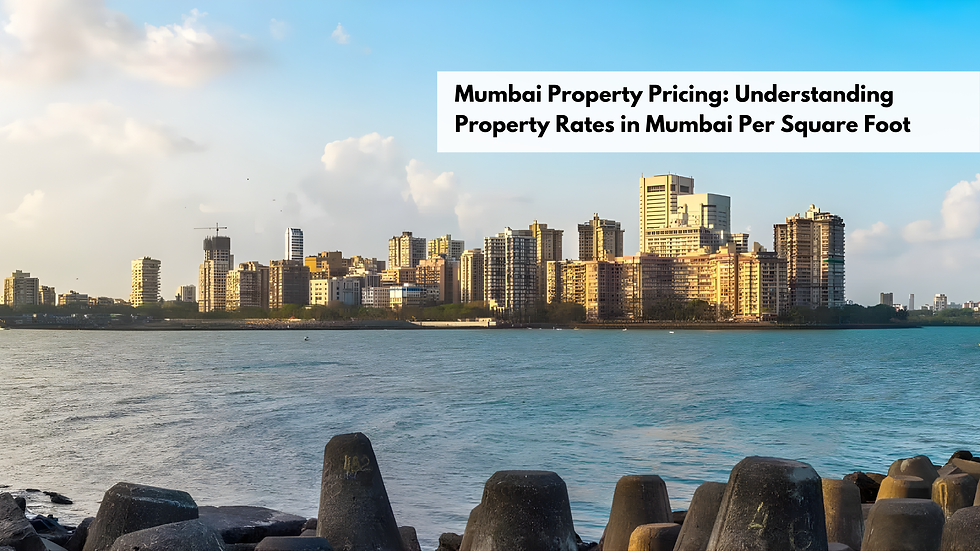
Mumbai, often described as the financial capital of India, is a city where real estate plays a pivotal role in shaping its urban landscape. The property market here is dynamic and complex, influenced by various factors such as location, infrastructure, demand, and economic trends.
Overview of Mumbai Property Pricing
Mumbai's real estate market is one of the most expensive in India. The city's limited land availability combined with high demand drives property prices upward. Prices vary significantly across different neighborhoods, reflecting the diversity in infrastructure, connectivity, and lifestyle amenities.
Property rates in Mumbai are typically quoted per square foot, which allows buyers and investors to compare prices across various localities and property types. The rates can range from affordable segments in suburban areas to premium prices in central business districts and upscale neighborhoods.
Several factors influence Mumbai property pricing:
Location: Proximity to business hubs, schools, hospitals, and transport links.
Type of property: Residential, commercial, or mixed-use developments.
Age and condition: New constructions generally command higher prices.
Amenities and infrastructure: Gated communities, security, recreational facilities.
Market trends: Economic conditions, government policies, and demand-supply dynamics.
Understanding these factors helps in evaluating the true value of a property and anticipating future appreciation.

Factors Affecting Mumbai Property Pricing
Mumbai's property market is influenced by a combination of macroeconomic and microeconomic factors. Here are some key elements that affect property rates:
1. Location and Connectivity
Areas closer to the city center, such as South Mumbai, Nariman Point, and Bandra, tend to have higher property rates due to their commercial importance and lifestyle offerings. Conversely, suburbs like Thane, Navi Mumbai, and Mira Road offer more affordable options with improving connectivity through metro and road networks.
2. Infrastructure Development
Upcoming infrastructure projects like metro lines, expressways, and business parks can significantly boost property values. For example, the Mumbai Trans Harbour Link and the Coastal Road project are expected to enhance connectivity and reduce travel time, positively impacting nearby property prices.
3. Demand and Supply Dynamics
Mumbai's population growth and urbanization create constant demand for housing and commercial spaces. However, land scarcity limits supply, pushing prices higher. Regulatory approvals and construction delays can also affect the availability of new properties.
4. Economic Factors
Interest rates, inflation, and government policies such as the Real Estate Regulatory Authority (RERA) influence buyer confidence and investment decisions. Lower interest rates typically encourage more purchases, driving up prices.
5. Property Type and Amenities
Luxury apartments with modern amenities like gyms, swimming pools, and security systems command premium prices. Commercial properties in prime locations attract higher rents and capital appreciation.
Understanding these factors provides a comprehensive view of why property rates vary across Mumbai and how they might evolve.
Which Area is Cheaper in Mumbai?
For buyers and investors looking for more affordable options, several areas in Mumbai offer competitive property rates without compromising on connectivity and basic amenities. These locations are ideal for first-time homebuyers or those seeking budget-friendly investments.
Suburban Localities
Navi Mumbai: Known for its planned development, Navi Mumbai offers relatively lower property rates compared to Mumbai city. Areas like Kharghar, Panvel, and Vashi provide good infrastructure and connectivity.
Thane: With expanding residential projects and improved transport links, Thane is a popular choice for affordable housing.
Mira Road and Vasai: These northern suburbs are witnessing rapid growth, with new residential complexes and commercial hubs emerging.
Emerging Neighborhoods
Chembur: Once considered a distant suburb, Chembur has transformed into a well-connected locality with reasonable property prices.
Goregaon and Malad: These western suburbs offer a mix of affordable and mid-range properties, supported by good social infrastructure.
Factors to Consider in Cheaper Areas
While these areas offer lower prices, buyers should evaluate:
Commute times: Distance from workplaces and transport availability.
Future development plans: Potential for appreciation based on upcoming projects.
Quality of life: Access to schools, hospitals, and recreational facilities.
Choosing the right area depends on balancing budget constraints with lifestyle and investment goals.

How to Evaluate Property Rates in Mumbai Per Square Foot
When assessing property prices, the rate per square foot is a crucial metric. It standardizes pricing, allowing comparison across different properties and locations. Here are steps to evaluate these rates effectively:
1. Research Market Trends
Track recent transactions and listings in your preferred localities. Real estate portals, government records, and brokerage reports provide valuable data on current rates.
2. Compare Similar Properties
Look for properties with similar specifications such as size, age, and amenities. This comparison helps identify fair market value and avoid overpaying.
3. Consider Additional Costs
Property price per square foot usually covers the basic cost. Additional expenses include:
Registration and stamp duty
Maintenance charges
Parking fees
Taxes and service charges
Factor these into your budget to get a realistic estimate.
4. Consult Real Estate Experts
Engage with local real estate agents or consultants who have in-depth knowledge of the market. They can provide insights on pricing trends and negotiation strategies.
5. Analyze Long-Term Value
Evaluate the potential for capital appreciation based on location development plans and economic outlook. Properties in emerging areas may offer better returns over time.
By following these steps, buyers and investors can make informed decisions and optimize their investment in Mumbai's real estate market.
Impact of Commercial and Residential Demand on Mumbai Property Rates
Mumbai's property market is shaped by the interplay between residential and commercial demand. Both sectors influence pricing trends and investment opportunities.
Residential Demand
The city's growing population and urban migration fuel demand for housing. Residential property rates are affected by:
Availability of affordable housing schemes
Preferences for gated communities and amenities
Proximity to workplaces and educational institutions
Developers are increasingly focusing on mixed-use projects that combine residential and commercial spaces to meet diverse needs.
Commercial Demand
Mumbai is home to numerous corporate offices, financial institutions, and startups. Commercial property rates depend on:
Location within business districts like Bandra Kurla Complex (BKC), Nariman Point, and Lower Parel
Infrastructure supporting business activities
Rental yields and occupancy rates
High demand for office spaces often leads to premium pricing, which can indirectly impact nearby residential property values.
Balancing Both Sectors
Understanding the balance between residential and commercial demand helps in identifying promising investment areas. For example, localities with growing commercial hubs may see increased residential demand, driving up property rates.
Navigating Mumbai's Real Estate Market with Confidence
Mumbai's real estate market offers diverse opportunities for homebuyers and investors. However, navigating this complex landscape requires careful analysis and strategic planning.
Stay updated on market trends and government policies.
Evaluate properties based on location, price per square foot, and future growth potential.
Consider long-term goals such as rental income, capital appreciation, or personal use.
Work with trusted developers and agents who have a proven track record.
By adopting a methodical approach, one can make sound decisions that align with financial objectives and lifestyle preferences.
For those interested in detailed data, exploring property rates in Mumbai per square feet can provide a comprehensive understanding of current market conditions.
This overview aims to equip readers with practical knowledge about Mumbai property pricing. Whether seeking a new home or a commercial investment, understanding the nuances of property rates is essential for success in this vibrant city.


Comments