

Maximizing Small Spaces: Design Tips for Compact Apartments

Living in a compact apartment doesn’t mean compromising on comfort or style. With the right design strategies, even a small space can feel spacious, functional, and aesthetically pleasing. In an era where urban living spaces are shrinking, making the most of every square foot is essential. In this comprehensive guide, we’ll explore proven tips and creative ideas to help you transform your compact apartment.
Why Maximizing Space Matters in Compact Apartments
Space is a precious commodity in modern urban living. Compact apartments present a unique challenge: how to create a living space that feels open, comfortable, and organized despite limited square footage. The key lies in intelligent design that blends functionality with style. Maximizing space is not just about adding more storage, it’s about creating harmony and efficiency in your home.
Top Design Tips for Small Space Living
1. Use Multifunctional Furniture
Multifunctional furniture is the ultimate space-saver. Items such as sofa beds, extendable dining tables, or ottomans with built-in storage provide dual purposes without cluttering the room. For example, a fold-out desk can double as a dining area, while a bed with drawers underneath maximizes storage without taking extra space.

2. Create Vertical Storage Solutions
In compact apartments, vertical space is often underutilized. Installing tall shelves, hanging racks, or wall-mounted cabinets helps keep belongings organized while freeing up valuable floor area. Floating shelves above doorways or beds can provide additional storage without making the room feel crowded.
3. Choose Light Colors and Reflective Surfaces
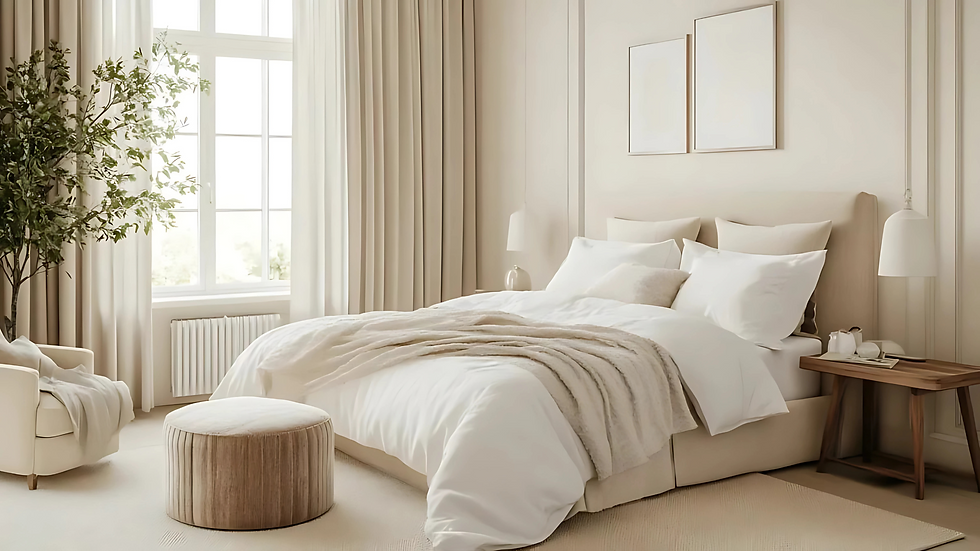
Light colors have a natural ability to make rooms appear larger. Shades like white, beige, or pastel tones reflect light and create a sense of openness. Additionally, mirrors and reflective surfaces can amplify natural light and visually expand the space. A well-placed mirror can make a narrow room feel twice its size.
4. Declutter and Organize Smartly
Clutter can make a small space feel cramped and overwhelming. Regularly decluttering and organizing your belongings ensures that your apartment remains clean and spacious. Utilize storage boxes, baskets, and modular organizers to keep things tidy. An organized space not only feels bigger but also improves mental well-being.
5. Optimize Lighting
Lighting plays a crucial role in enhancing the perception of space. Natural light makes rooms appear open and airy, while well-placed artificial lighting can highlight features and create depth. Use sheer curtains to allow light in, and strategically place floor and table lamps to brighten darker corners.

6. Open Layouts and Minimalist Design
Open layouts eliminate unnecessary walls and partitions, creating a seamless flow of space. Minimalist design keeps décor simple and avoids overcrowding, focusing on essential pieces. This approach not only maximizes physical space but also creates a calm and uncluttered living environment.
7. Use Smart Partitions
In compact apartments, partitions can be used strategically to divide space without reducing openness. Sliding doors, curtains, or open shelving units act as flexible boundaries that maintain an airy feel while adding privacy where needed.
8. Incorporate Built-In Storage
Built-in storage solutions such as under-bed drawers, recessed shelves, or wall cabinets integrate storage seamlessly into the design of your apartment. This avoids bulky standalone furniture and helps keep the space tidy.
Conclusion
Maximizing space in a compact apartment requires a thoughtful approach to design and organization. By embracing multifunctional furniture, smart storage, light colors, and minimalist principles, you can create a home that is both functional and visually appealing. Small spaces offer a unique opportunity to innovate and personalize your living environment. Apply these tips to transform your compact apartment into a stylish, efficient, and comfortable home.


Comments